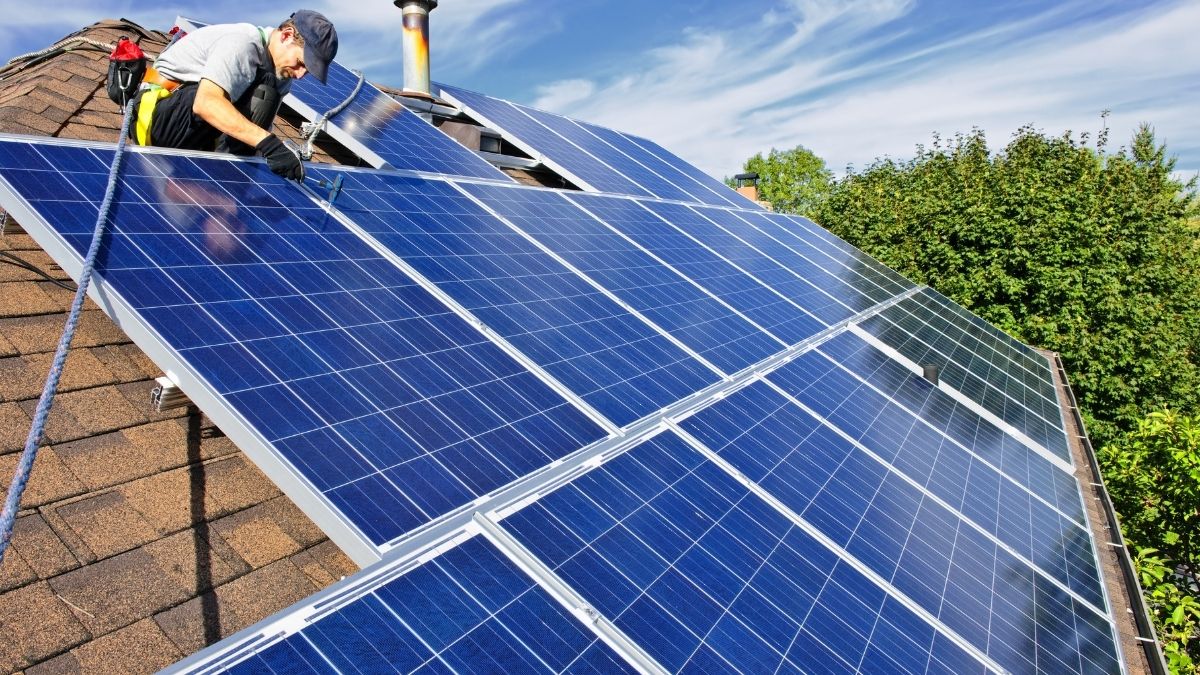
It is a common joke among locals that Glasgow only has two seasons: June and Winter. When people think about renewable energy, they often picture sun-drenched Mediterranean villas rather than the grey skies over the Clyde. However, the reality of solar technology has moved on significantly in recent years. Modern photovoltaic (PV) systems are designed to capture daylight, not just direct heat from the sun. This means that even on a typically overcast day in the West of Scotland, your roof can still be generating a surprising amount of electricity.
The shift towards greener energy isn’t just about being environmentally conscious anymore; it is a practical response to the volatile energy market. By choosing professional Solar installers Glasgow, homeowners are effectively locking in their energy costs for the next two or three decades. As electricity prices continue to fluctuate, the appeal of generating your own power right above your head becomes much harder to ignore. It is about taking control of your utility bills and reducing your reliance on the national grid.
The importance of choosing local expertise
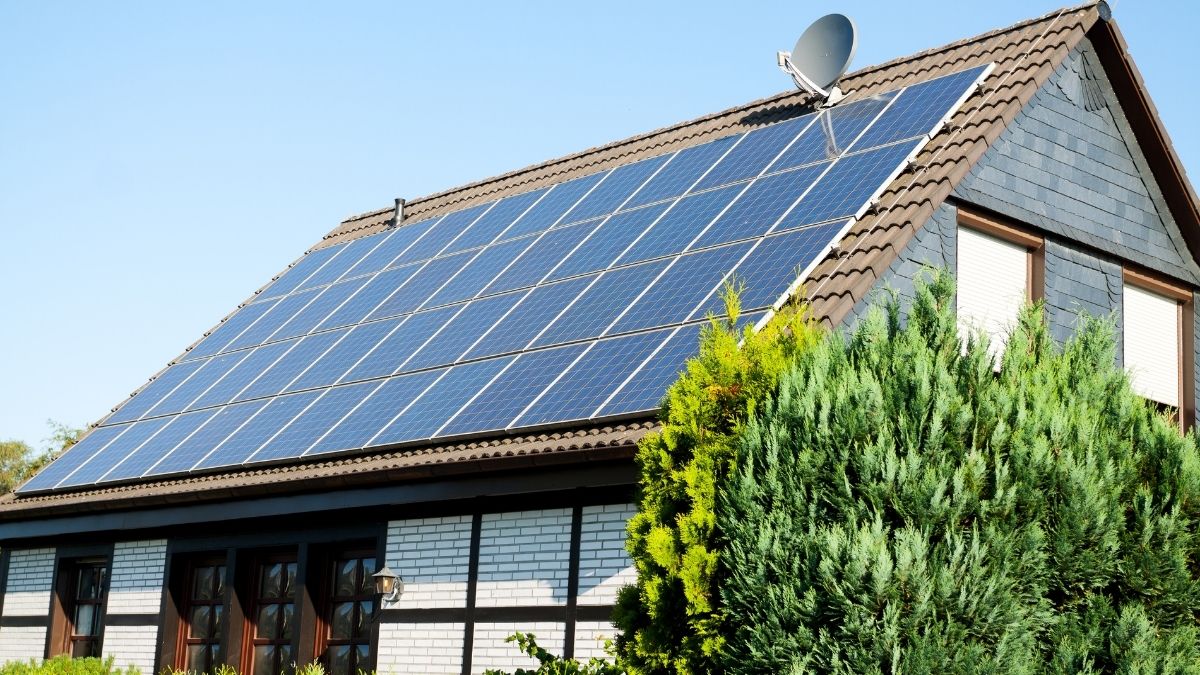
When you start looking into renewable energy, you will find plenty of national companies vying for your attention. However, there is a distinct advantage to working with specialists who understand the local landscape. Glasgow has a unique mix of architecture, from traditional red sandstone tenements to modern suburban developments and mid-century semi-detached houses. Each of these building types presents different challenges when it comes to mounting panels and managing structural integrity.
Local experts understand the specific weather patterns we face, including the high wind loads and frequent rainfall. They know which mounting systems are best suited for Scottish slate or modern concrete tiles. Furthermore, a local team is far more likely to be familiar with the specific planning permissions required by Glasgow City Council, especially if you live in one of the city’s many conservation areas like the West End or Pollokshields.
What to look for in a quality installer
Not all installations are created equal. To ensure your system performs optimally for the next 25 years, you need to vet your chosen team thoroughly. Here are a few things that should be high on your checklist:
- MCS Certification: This is non-negotiable. The Microgeneration Certification Scheme ensures that the products and the installation meet high international standards.
- Local Track Record: Ask for examples of previous work within the Greater Glasgow area. A reputable company will be happy to share testimonials from local residents.
- Comprehensive Surveys: Avoid any company that tries to give you a quote over the phone without seeing your roof. A proper survey should include a structural check and a detailed shading analysis.
- Transparent Warranties: You want to know exactly what is covered, from the panels themselves to the inverter and the workmanship.
How the Scottish climate affects your energy yield
One of the biggest hurdles for people considering solar in Glasgow is the fear that it simply won’t work well enough to justify the investment. It is true that a house in Glasgow will produce slightly less energy than an identical house in Brighton, but the difference is smaller than you might think. Scotland benefits from long daylight hours during the summer months, which helps to balance out the shorter days in December and January.
Modern panels are also much more efficient at capturing “diffuse” light—the kind of light that filters through clouds. In fact, solar panels actually perform better in cooler temperatures. Excessive heat can reduce the efficiency of the silicon cells, so the temperate, breezy climate of the West of Scotland is actually quite well-suited for maintaining high performance. When you work with experienced solar installers Glasgow, they will use sophisticated software to show you exactly how much power your specific roof is likely to generate throughout the year, taking into account the pitch of your roof and any potential shading from nearby trees or chimneys.
Maximising your investment with battery storage
If you are serious about reducing your bills, you should probably consider a battery storage system alongside your solar panels. In the past, any electricity you didn’t use the moment it was generated was sent back to the grid. While the Smart Export Guarantee (SEG) allows you to get paid for this excess energy, the rates are usually much lower than what you pay to buy electricity back in the evening.
A battery allows you to store that free daytime energy and use it when the sun goes down. This is particularly useful in Glasgow during the winter when we tend to use more lights and heating. By pairing your panels with a battery, you can often increase your self-consumption from around 30% to over 70%. This significantly shortens the payback period of the entire system and provides a level of energy independence that panels alone cannot achieve.
Financial incentives and support in Scotland
It is worth noting that homeowners in Scotland often have access to different financial support packages compared to those in England or Wales. Organisations like Home Energy Scotland, funded by the Scottish Government, frequently offer interest-free loans or even partial grants for renewable installations. These schemes change periodically, so it is vital to check the current availability before you start your project.
- Interest-free loans: These can help spread the cost of the installation over several years, making the transition to solar much more affordable.
- Smart Export Guarantee: Various energy suppliers offer different rates for the energy you export, so it pays to shop around for the best deal.
- VAT Savings: Currently, there is a 0% VAT rate on the installation of energy-saving materials in the UK, which represents a significant saving on the total project cost.
The installation process from start to finish
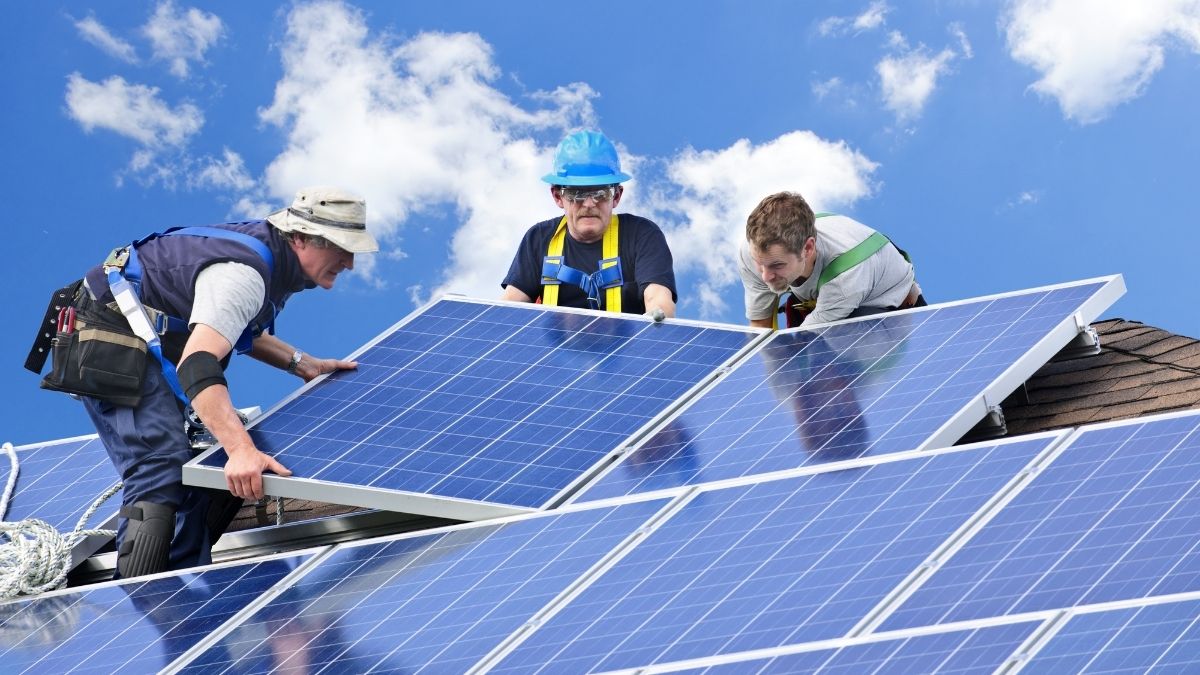
Once you have selected your solar installers Glasgow and agreed on a design, the actual installation is usually surprisingly quick. For a standard residential property, the work is typically completed within one to two days. Scaffolding is erected first to ensure the safety of the workers, followed by the installation of the roof mounting system. Once the panels are securely fixed, the electricians will handle the internal wiring, fitting the inverter and the battery storage if you have opted for one.
After the physical work is done, your installer will commission the system, ensuring everything is communicating correctly and that you are safely connected to the grid. They should provide you with a handover pack that includes all your certifications, manuals, and information on how to monitor your energy production through a smartphone app. Seeing the real-time data of your home being powered by the sky is often the moment when homeowners truly appreciate the value of their new system.
Maintaining your solar system in the long run
One of the best things about solar PV is that it has no moving parts, which means maintenance requirements are very low. In a place like Glasgow, the frequent rain actually does a pretty good job of keeping the panels clean and free of dust or debris. However, it is still a good idea to have the system checked every few years to ensure the electrical connections remain tight and that no birds have decided to nest under the panels.
Most modern systems come with monitoring software that will alert you if there is a significant drop in performance, allowing you to catch any potential issues early. Because the technology is built to last, you can expect your panels to continue generating power for 25 to 30 years, long after the system has paid for itself in energy savings. Choosing a reputable local firm ensures that if you ever do have a question or need a quick check-up, your installers are just a short drive away rather than at the other end of the country.

A maritime journalist and boating enthusiast, James writes about luxury yacht experiences, sailing techniques, and the latest trends in boat tourism.